Dead Tree Removal in Reno, NV
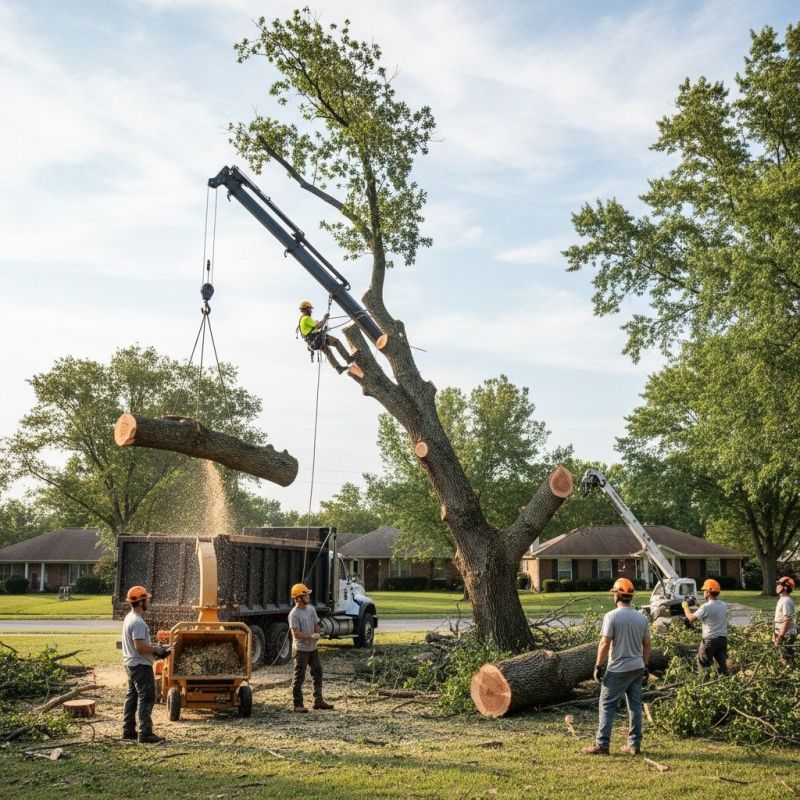
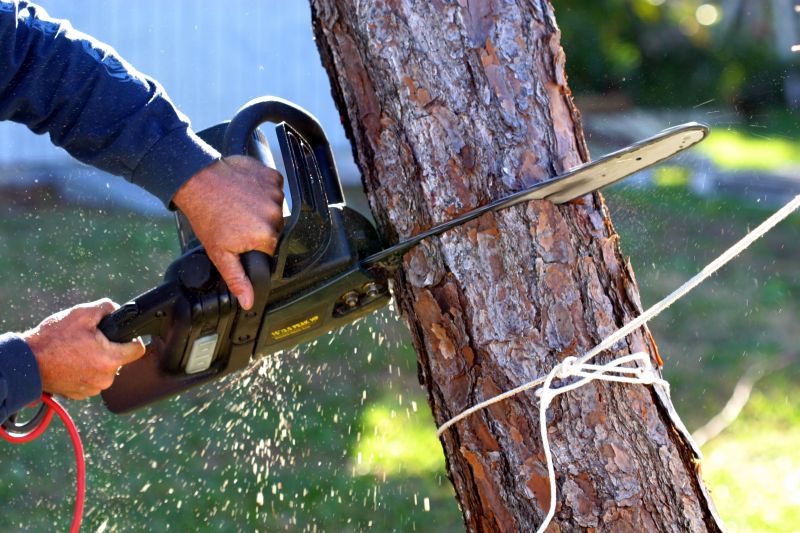
Dead tree removal services involve the safe and efficient removal of trees that are dead, dying, or pose a risk to property or safety. This type of project typically includes assessing the condition of the tree, planning the safest method of removal, and using specialized equipment to carefully cut and remove the tree and its debris. Homeowners often request this service when dead or hazardous trees are located near structures, driveways, or utility lines, or when they want to improve the appearance and safety of their yard.
Before requesting dead tree removal, property owners usually want to understand the scope of work, including the size and location of the tree, potential impacts on surrounding landscaping, and any necessary permits or considerations. It’s also helpful to consider the health of nearby trees and whether removal might affect drainage or soil stability. Proper planning ensures the process is carried out safely and efficiently, minimizing disruption to the property.
Many property owners in Reno, NV look into Dead Tree Removal for repairs, replacements, upgrades, and appearance-related improvements.
Reasons For Dead Tree Removal
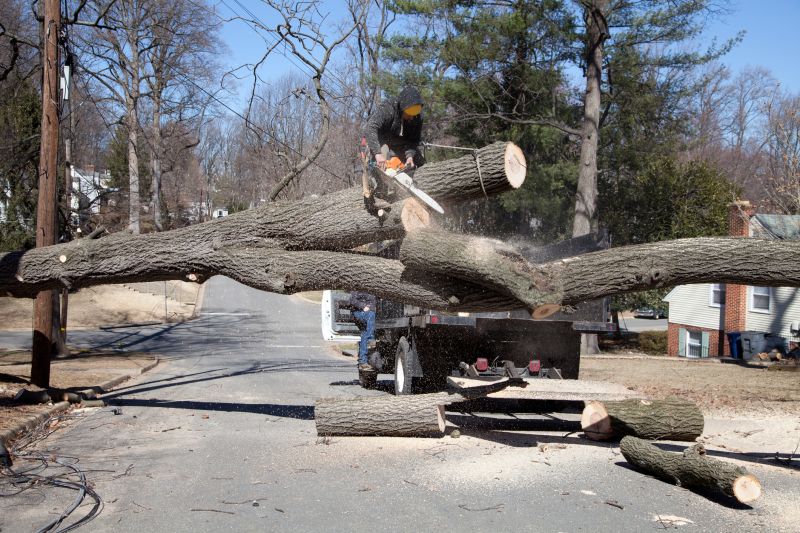
Removing dead trees helps prevent potential hazards to property and safety.
Signs A Tree Needs Removal
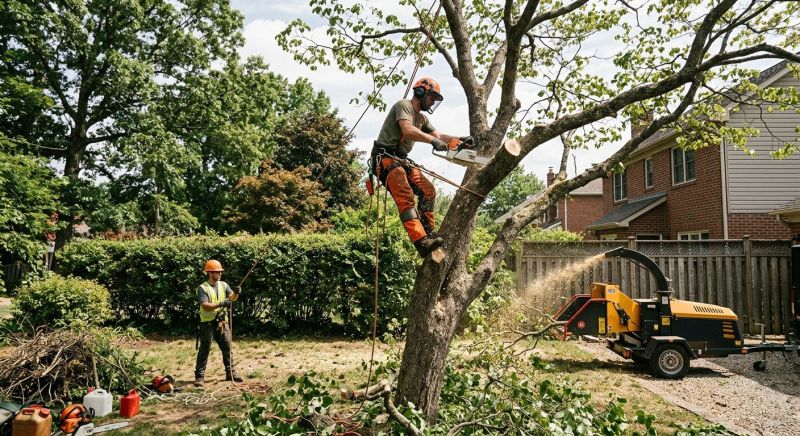
Signs include dead branches, trunk damage, and overall decline in health.
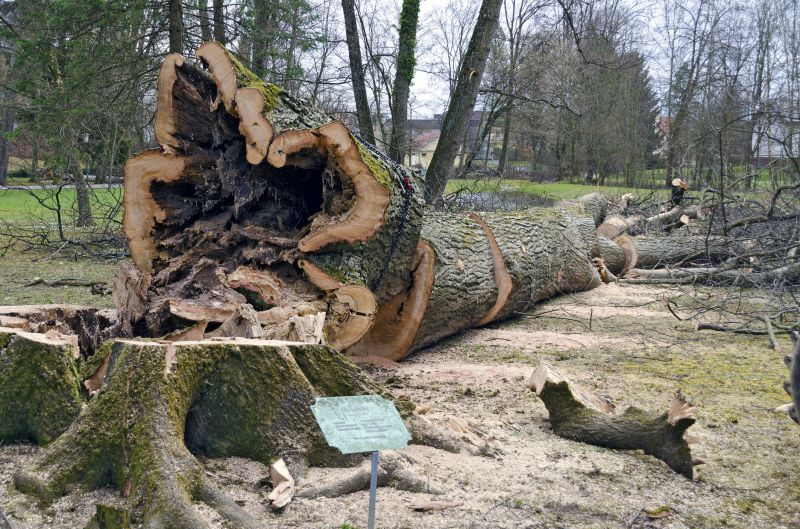
Benefits Of Tree Removal
Removing dead trees improves landscape appearance and reduces risk of falling limbs.
Dead Tree Removal in Reno, NV
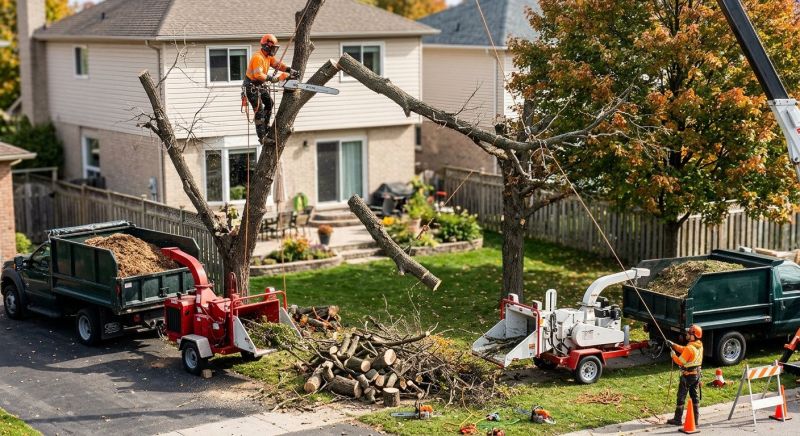
Dead tree removal services involve the safe and efficient removal of trees that are dead, dying, or pose a risk to property or safety. This type of project typically includes assessing the condition of the tree, planning the safest method of removal, and using specialized equipment to carefully cut and remove the tree and its debris. Homeowners often request this service when dead or hazardous trees are located near structures, driveways, or utility lines, or when they want to improve the appearance and safety of their yard.
Before requesting dead tree removal, property owners usually want to understand the scope of work, including the size and location of the tree, potential impacts on surrounding landscaping, and any necessary permits or considerations. It’s also helpful to consider the health of nearby trees and whether removal might affect drainage or soil stability. Proper planning ensures the process is carried out safely and efficiently, minimizing disruption to the property.
Many property owners in Reno, NV look into Dead Tree Removal for repairs, replacements, upgrades, and appearance-related improvements.
Common Dead Tree Removal Jobs
Dead Tree Removal - Safely eliminates trees that are dead, decaying, or pose a risk to property.
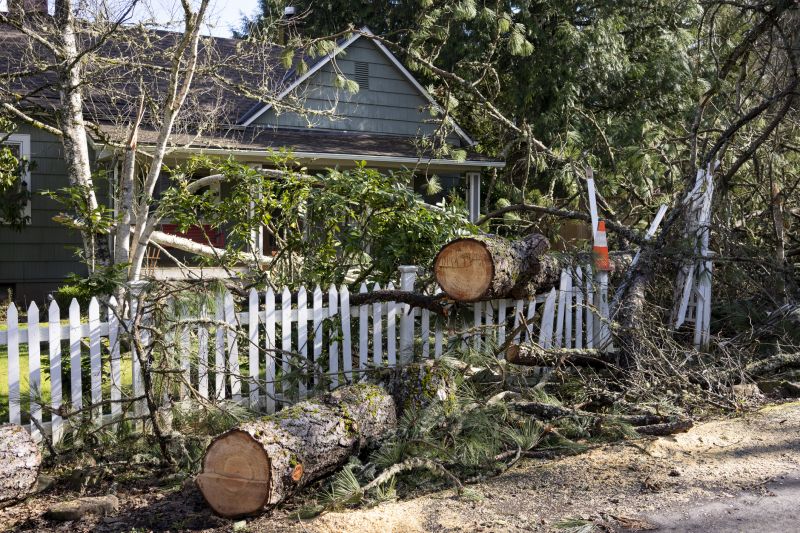
Storm Damage Cleanup - Removes fallen or damaged trees after severe weather events.
Hazard Tree Removal - Addresses trees that threaten structures, power lines, or public safety.
Root Removal - Clears out stumps and roots to prevent future pest or growth issues.
Tree Pruning and Trimming - Maintains tree health and removes dead branches before removal.
Property Clearing - Clears dead trees to improve landscape safety and appearance.
Dead Tree Removal Questions
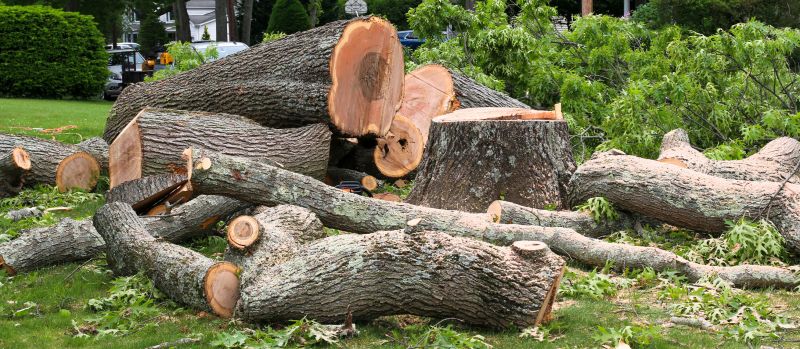
Why should dead tree removal be considered? Removing dead trees helps prevent potential hazards like falling branches and decay that can affect nearby healthy trees or structures.
What signs indicate a tree might be dead? Indicators include lack of leaves during the growing season, brittle or cracked branches, and visible decay or fungal growth on the trunk.
Is dead tree removal necessary near homes or power lines? Yes, removing dead trees near structures or utility lines reduces the risk of damage or power outages caused by falling branches or the entire tree.
What is the main benefit of professional dead tree removal? It ensures safe and proper removal, minimizing damage to surrounding property and reducing safety risks during the process.
Request Dead Tree Removal in Reno, NV
Use the quote form on this page to share the basics of your project and request more information for the type of work you need.